The morning after I retired from alcohol, I didn't feel triumphant. I just felt lighter.
Not emotionally. Physically lighter. Like something I'd been carrying without realizing it had been set down.
I wasn't white-knuckling through withdrawals. I wasn't counting hours. I was a grey area drinker, not someone with a physical dependency. What I noticed instead was subtler and, honestly, more interesting. My body started responding almost immediately. And it kept responding for months.
Here's what actually happens, week by week.
Week One: The Fog Starts to Lift
Most people don't realize how much alcohol affects mental clarity until they stop.
Alcohol metabolizes into acetaldehyde, a toxic byproduct your liver has to process every time you drink. Within 24 to 72 hours of stopping, your body clears it. What follows isn't dramatic. It's more like the difference between a slightly foggy windshield and a clean one.
You notice it most in the morning. Your brain used to need an hour to fully come online. Now it's already there.
Body temperature regulates more consistently. Night sweats, if you had them, start to quiet. Your nervous system, which alcohol kept slightly activated even while you slept, begins to settle.
The first week doesn't feel like a victory lap. It feels like a Tuesday that's slightly better than the Tuesday before it.
Week Two: The Puffiness Goes
By week two, most people notice they're less puffy.
Alcohol is inflammatory. It causes water retention, particularly in the face and midsection. As it clears your system, that inflammation begins to subside. Clothes fit differently. Your face looks different in photos.
Your gut starts to recover too. Alcohol disrupts the mucosal lining of the stomach and alters gut bacteria. Within two weeks of stopping, digestion typically improves. Bloating decreases. If you were dealing with acid reflux, you may notice it getting quieter.
I was on omeprazole for acid reflux before I retired. By February 2026, ten months later, I was off it entirely. If you want to understand the full picture of what changed in my bloodwork and prescriptions, the details are on my about page.
Energy starts to stabilize in week two as well. Not a spike. A floor. The afternoon crashes become less severe.
Week Three: The Compounding Begins
This is where it starts to feel real.
Your body is producing less cortisol. Your resting heart rate is dropping. If you were waking up with low-grade anxiety most mornings, that starts to diminish. Not because anything in your life changed. Because alcohol was producing it.
By week three, cognitive function is measurably sharper. Working memory improves. Decision-making feels less effortful. If you're in a high-performance role, you'll notice it in meetings. You're tracking more. Responding faster. Processing is cleaner.
This is the week most people quietly think: I didn't realize how much that was costing me.
Week Four: The New Baseline
By the end of month one, your body has established a new baseline.
Your liver enzymes are improving. My AST dropped from 20 to 14 and my ALT dropped from 26 to 20 over eight months. Those numbers were never alarming, but they reflect what consistent alcohol metabolism was costing my liver quietly, every day.
hs-CRP inflammation: 2.9 before. 1.6 after. Eight months after retiring from alcohol on April 16, 2025.
Your inflammation markers are dropping. My hs-CRP, a key inflammation marker, went from 2.9 to 1.6. Chronic low-grade inflammation is linked to cardiovascular disease, cognitive decline, and conditions most high-performers don't think about until they're 60. You're getting ahead of that now.
Your cardiovascular system is already responding. Within a month of stopping, blood pressure typically begins to decrease. I was on amlodipine for blood pressure when I retired. By February 2026, I was off that too.
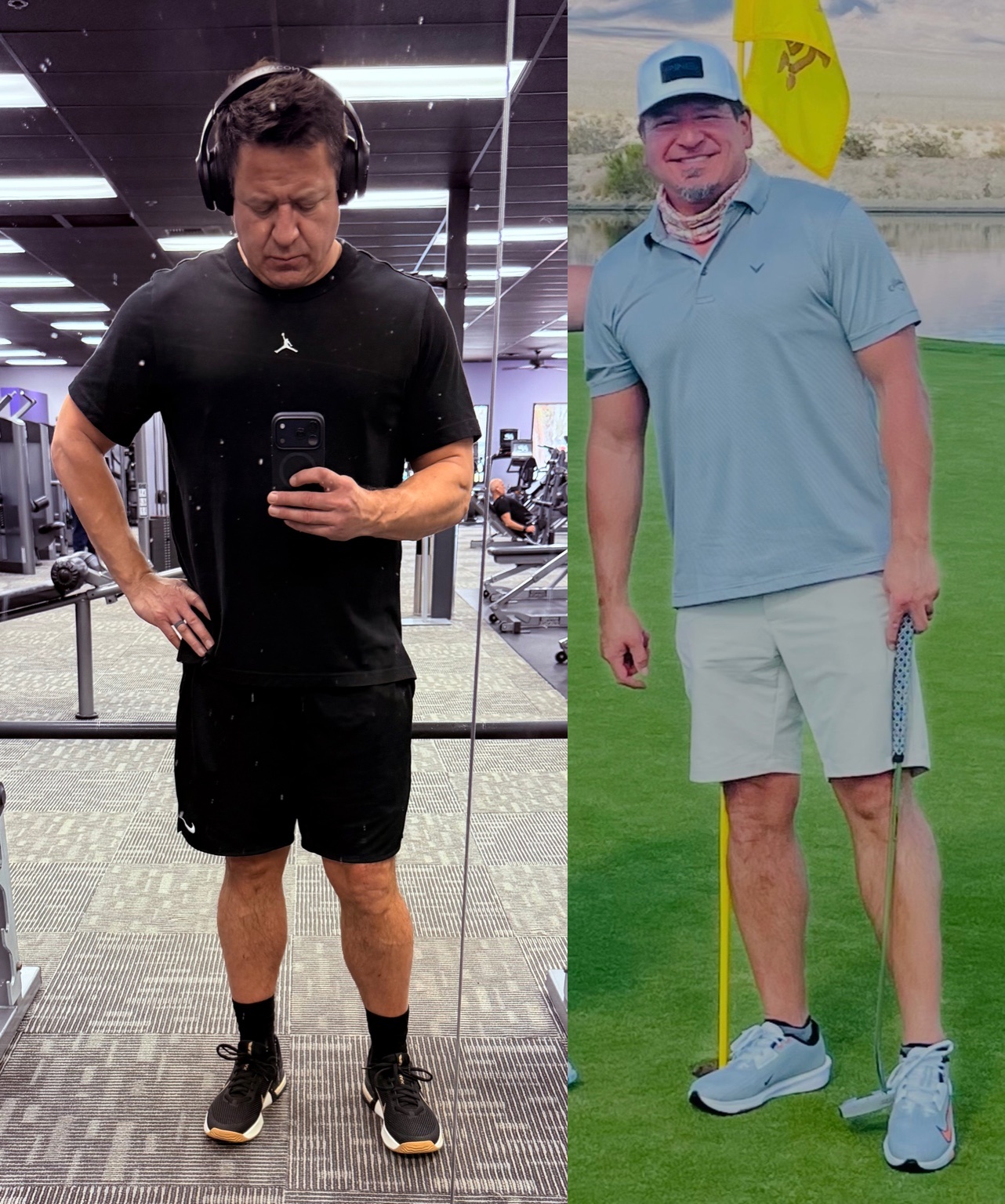
The weight is moving. I lost 14 lbs in my first four months, going from 230 to 216. Not through any particular effort. Just through the absence of several hundred empty calories a night and the metabolic changes that follow.
What Doesn't Happen in 30 Days
The cholesterol changes take longer.
My LDL dropped 29%, from 212 to 142, over eight months. My total cholesterol dropped from 285 to 202. Significant numbers. But they don't happen in a month. The cardiovascular benefits compound over time.
Same with weight. Fourteen pounds over four months is steady and sustainable. It's not dramatic in week one.
Some things take longer than you expect. Sleep was that for me. It took close to a year before my sleep felt genuinely different. If that's your experience too, it's normal. The other markers move faster.
And one number worth knowing about: HDL, the good cholesterol, can dip slightly after stopping alcohol. Mine dropped from 50 to 38. Alcohol artificially raises HDL. When you remove it, HDL adjusts. The other markers more than compensate, but it's worth knowing going in.
The Part No Timeline Captures
The data is useful. It's also incomplete.
What the numbers don't show is the quality of the clarity. The way a Tuesday morning in late summer felt different from every Tuesday morning before it. Not because anything dramatic happened. Because the low-grade static that had been running in the background for years had finally stopped.
That's what I mean when I say I felt lighter.
It wasn't a moment. It was a recalibration. And it started in the first week, not after some dramatic turning point.
If you've been thinking about retiring from alcohol and wondering what your body will actually do, the honest answer is this: it will respond faster than you expect, more quietly than you expect, and more permanently than you've probably let yourself imagine.
The five-stage framework I used to get there took six years. The physical results started in week one.
Leave a Comment
Sign in with GitHub to join the conversation.