
For the quietly curious.
Reflections on mental preparation, clarity, and retiring from alcohol on your own terms, written for professionals who've been thinking about this for years.
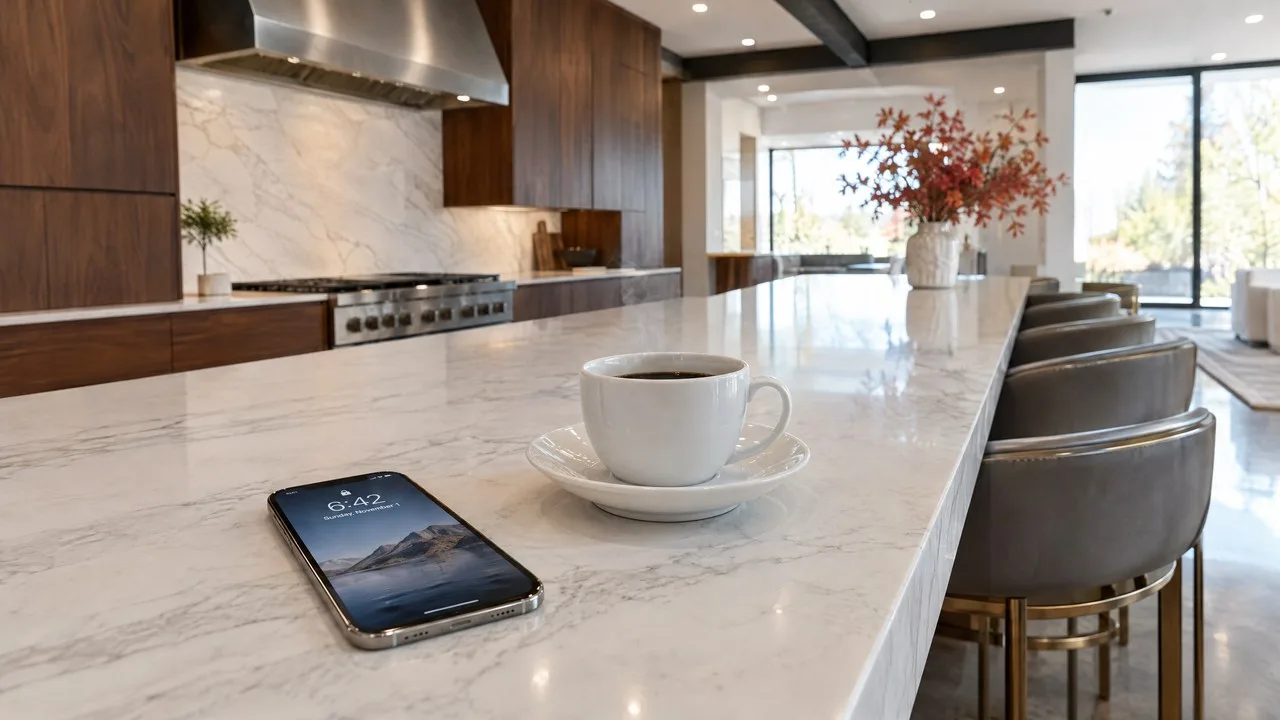
Sober October Answers the Wrong Question
Almost anyone can go 31 days without a drink. The question that matters starts November 1st, and most high performers never ask it.
Read the article
How to Tell People You've Retired From Alcohol
The sentence is short. Here's what actually happens when you say it out loud, and why you don't need the speech you've been rehearsing.
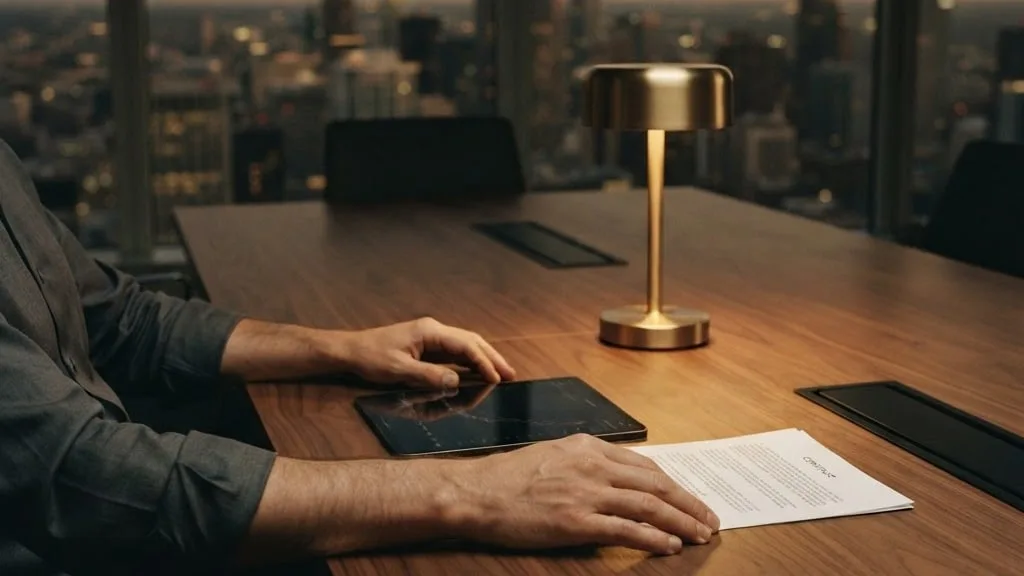
The Skills Elite Sales Performers Rely On, and What Alcohol Quietly Takes First
Top enterprise sales performance runs on sharp qualification, political read, pricing discipline, and candid self-assessment. Alcohol degrades all four, quietly, before output ever drops.
Sobriety and Work Performance: What Actually Changes
The Monday tax nobody puts in a performance review, and what actually changed once alcohol stopped competing for the time and mental bandwidth.
What It Costs You to Stay vs. What You're Afraid to Lose
Two things move a high performer to finally change their drinking. Here's what staying the same actually costs, and the fear that keeps people stuck anyway.
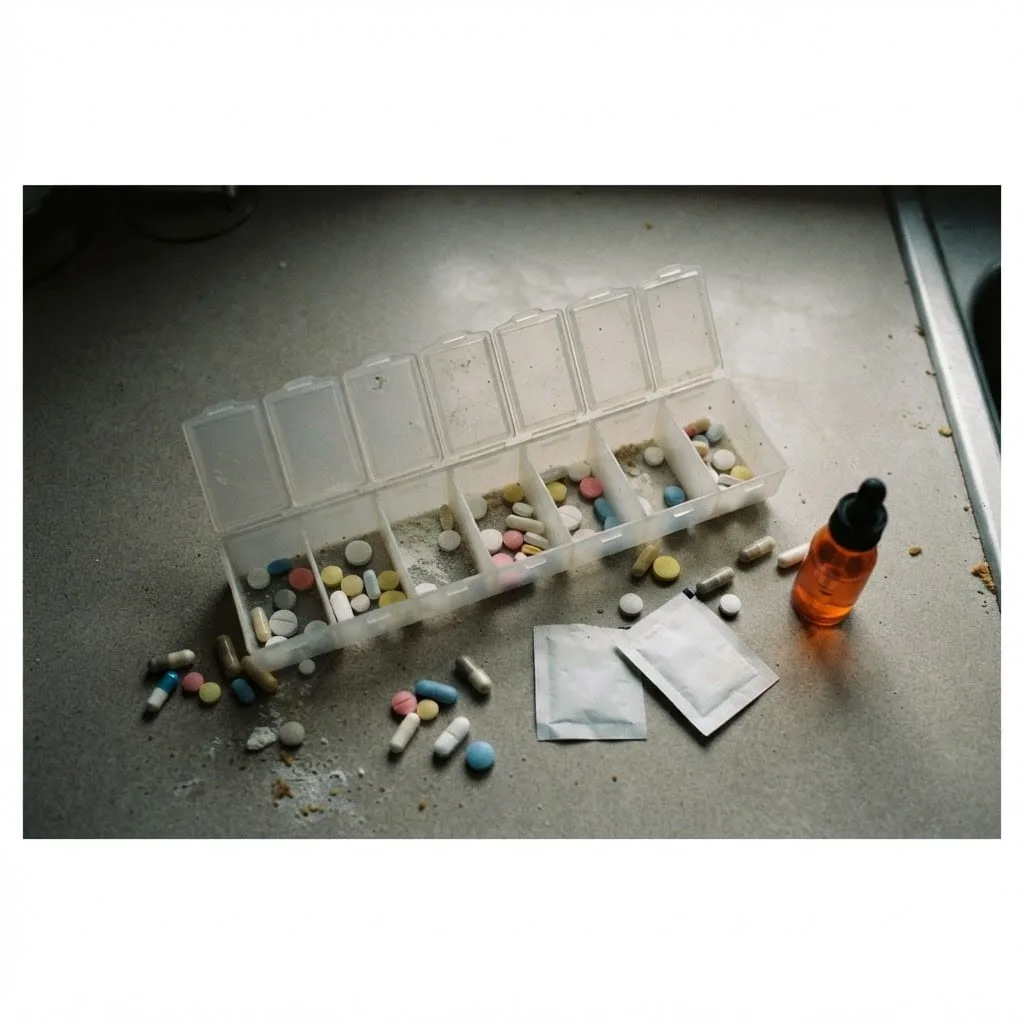
I Had A Bag With 25 Supplements In It. Just To Keep Drinking.
The real story isn't the drinking. It's how far a smart, high-performing guy will go to avoid admitting the drinking is the problem.
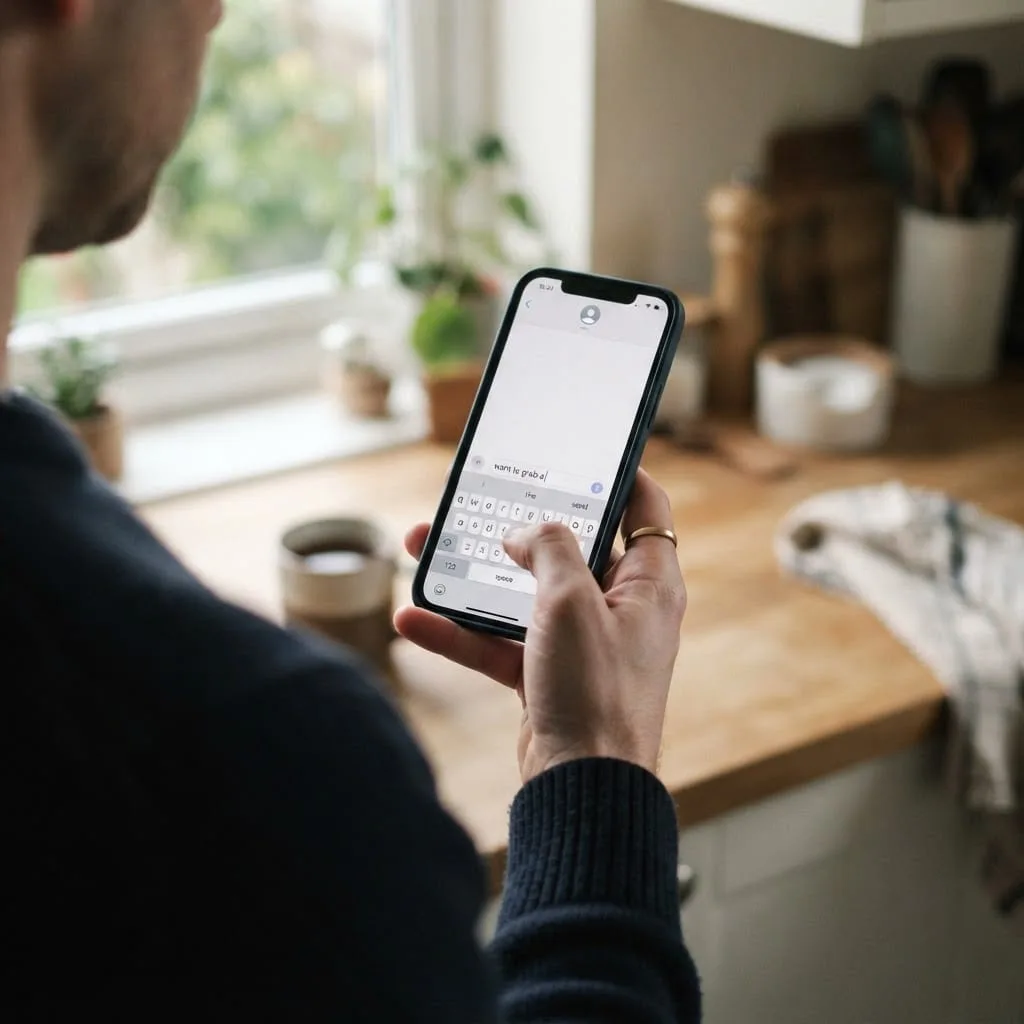
What You'll Lose When You Retire From Alcohol: "Let's Grab a Drink"
The first thing you lose when you retire from alcohol isn't the buzz, it's the reflex to say "let's grab a drink." Here's what that reflex really was, and what replaces it.
Who Prepared Sobriety Is Not For
Prepared Sobriety isn't for everyone thinking about their drinking. Here's who it's not for: crisis and detox situations, people who want a group, and anyone who hasn't had a concrete moment yet.
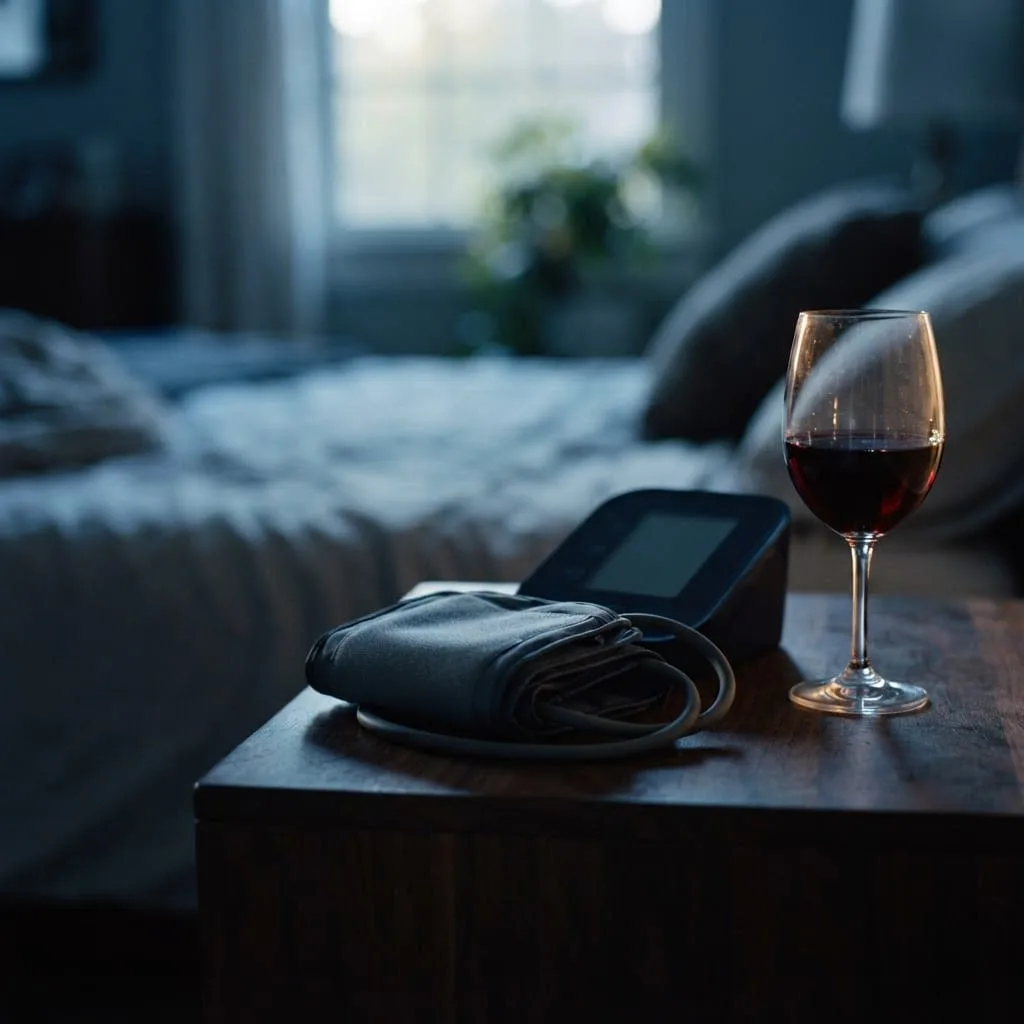
Blood Pressure Medication and Alcohol: The Double Whammy
I was on blood pressure medication for over twenty years while drinking. The two don't cancel out, they stack. Here's what that double whammy did to my heart, and what changed after I retired from alcohol.
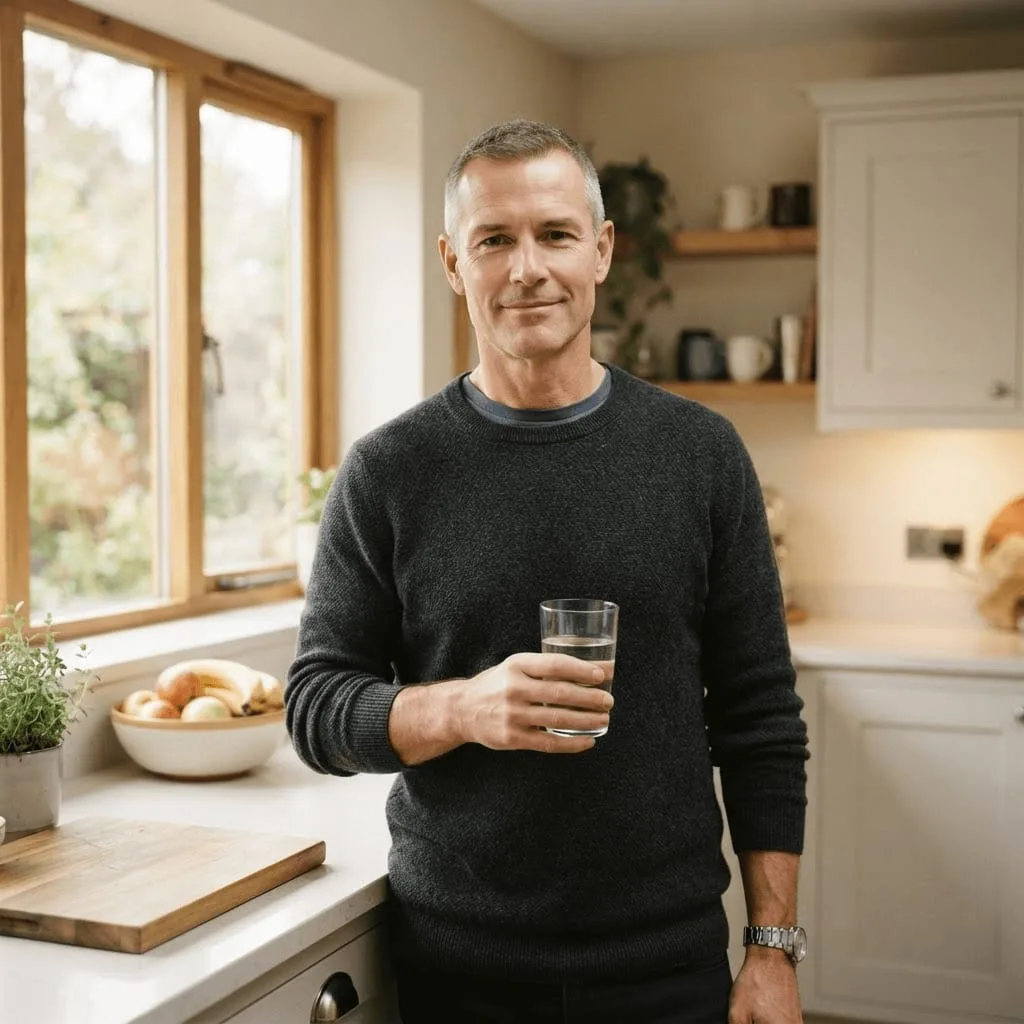
Is Alcohol Making Your Face Look Older? The Redness and Puffiness Nobody Talks About
Facial redness and puffiness are common signs of regular drinking that a lot of people write off as aging. Here's what changed in my own face within weeks of retiring from alcohol.

Better Impulse Control After You Retire from Alcohol
When you retire from alcohol, your prefrontal cortex rebuilds and impulse control returns on a biological timeline. Here's when it gets better, why some days still feel reactive, and how to bridge the gap while your brain heals.

How a High-Performing Professional Decides to Retire from Alcohol
High performers don't stop drinking because of a crisis. They stop because the cost of staying quietly overtakes the cost of changing. Here's the five-stage framework behind that decision.
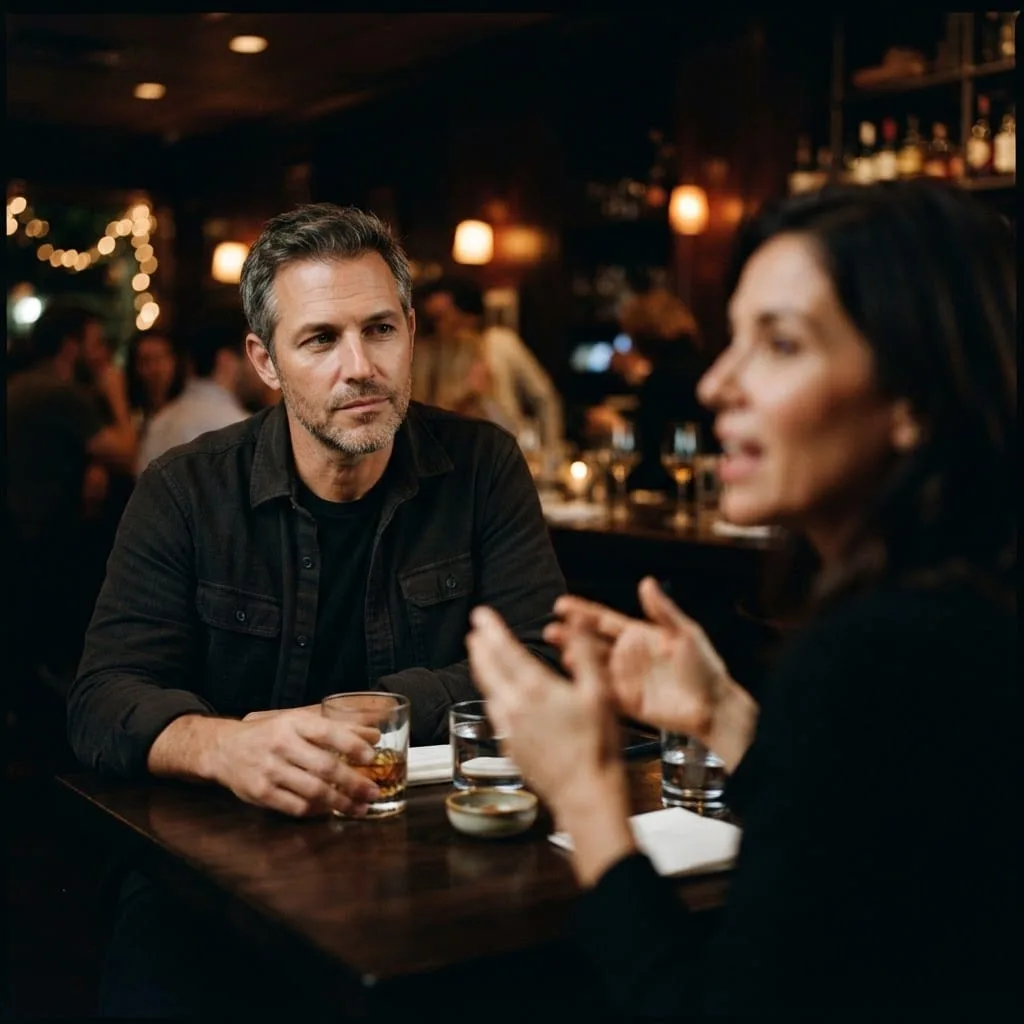
Why Do You Get Defensive When Someone Asks How Much You Drink?
A neutral question about drinking shouldn't trigger a defensive reaction. If it does, that reaction is data. Here's what it means and why it happens.

The Degraded Executive: How Alcohol Suppresses Strategic Thinking
Alcohol chronically suppresses prefrontal-cortex function and strategic decision-making. Colin reveals the real cost: losing tens of thousands in productivity every year, and how recovery compounds over months.
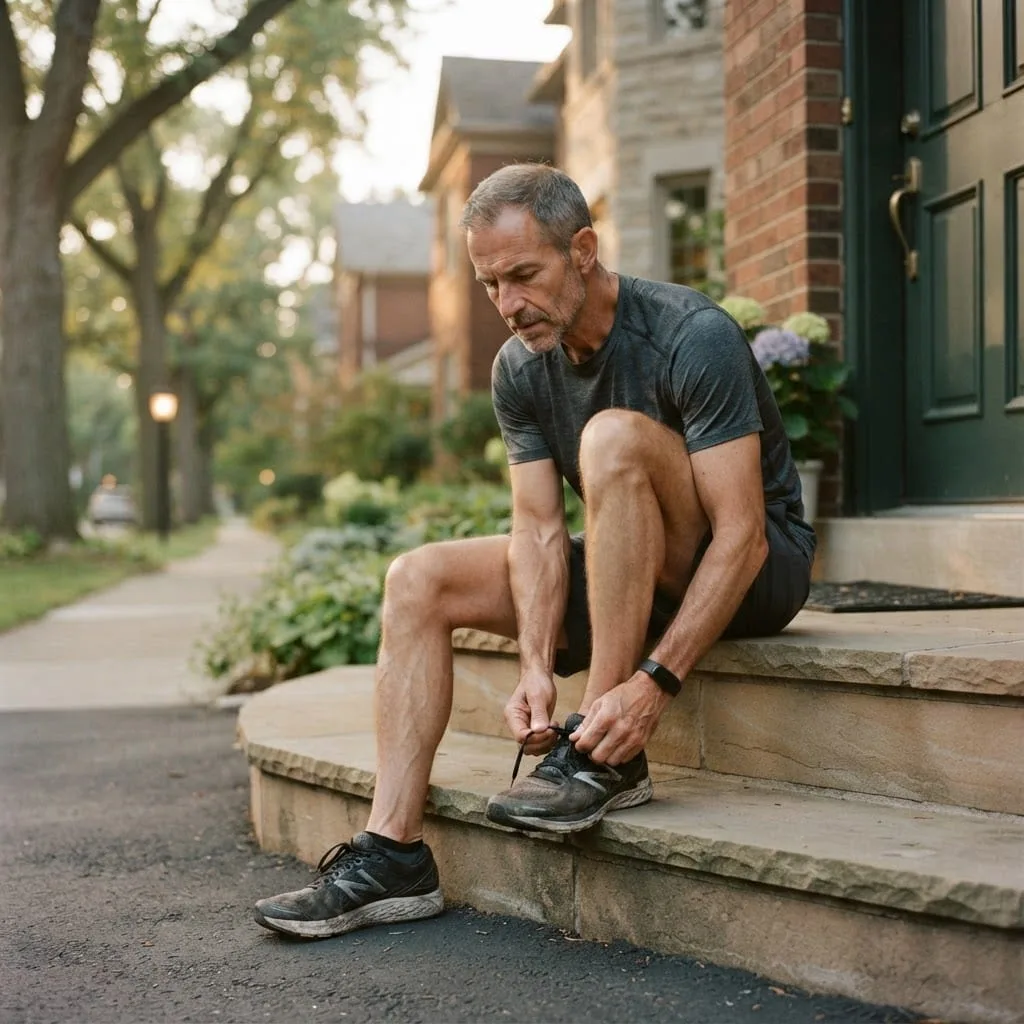
Why High Performers Should Mentally Prepare to Retire from Alcohol, Not Just Quit
Most advice says to just quit. High performers rarely use that word for anything. Here's why mental preparation, the same discipline you already use at work, is what makes retiring from alcohol stick.

I Was Prepared to Spend $19,200 Trying to Keep Drinking. Here's What Four Months of Not Drinking Did Instead.
Colin Casillas committed to a $19,200 CoolSculpting plan and spent over $7,000 trying to manage the effects of drinking. Four months after retiring from alcohol, his LDL dropped 33%, and within ten months two medications were gone.
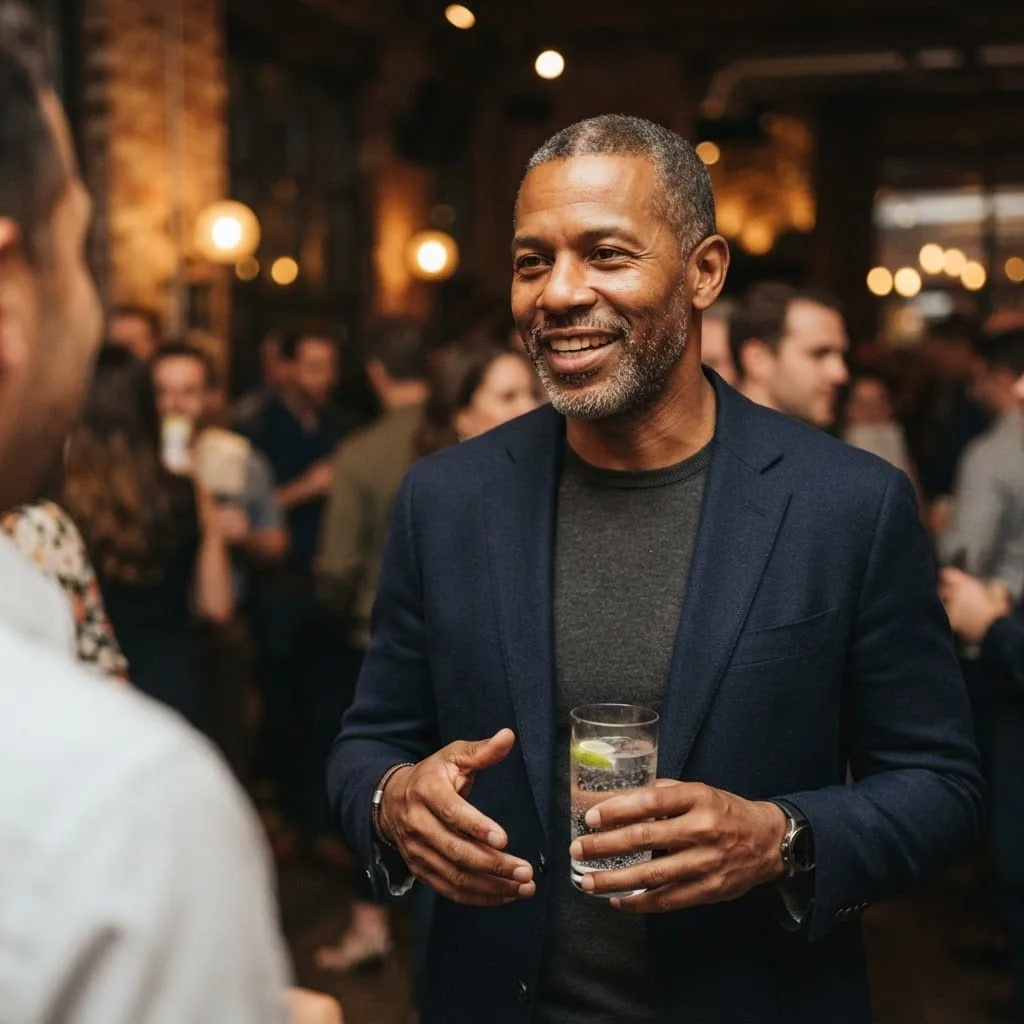
How I Became Better at Work Social Events After I Retired from Alcohol
An ISTJ enterprise sales executive on what actually happens to your confidence, presence, and performance at work events after you retire from alcohol. No program required.
Why Sleep Gets Worse Before It Gets Better After You Retire from Alcohol
Most people expect sleep to improve right after they stop drinking. It doesn't. Here's why sleep gets worse first and what changed at month 8.
What Happens to Your Body in the First 30 Days After You Retire from Alcohol
A week-by-week breakdown of what happens to your body in the first 30 days after you retire from alcohol, including 14 lbs lost and clearer skin.

How to Mentally Prepare to Stop Drinking Before You're Ready to Decide
Most people think about stopping drinking for years before acting. Here's what mentally preparing to stop drinking actually looks like.
What Is Grey Area Drinking? A Guide for High-Earning Professionals
Grey area drinking is the space between social drinker and alcoholic. A guide for high-performing professionals who know something is off.
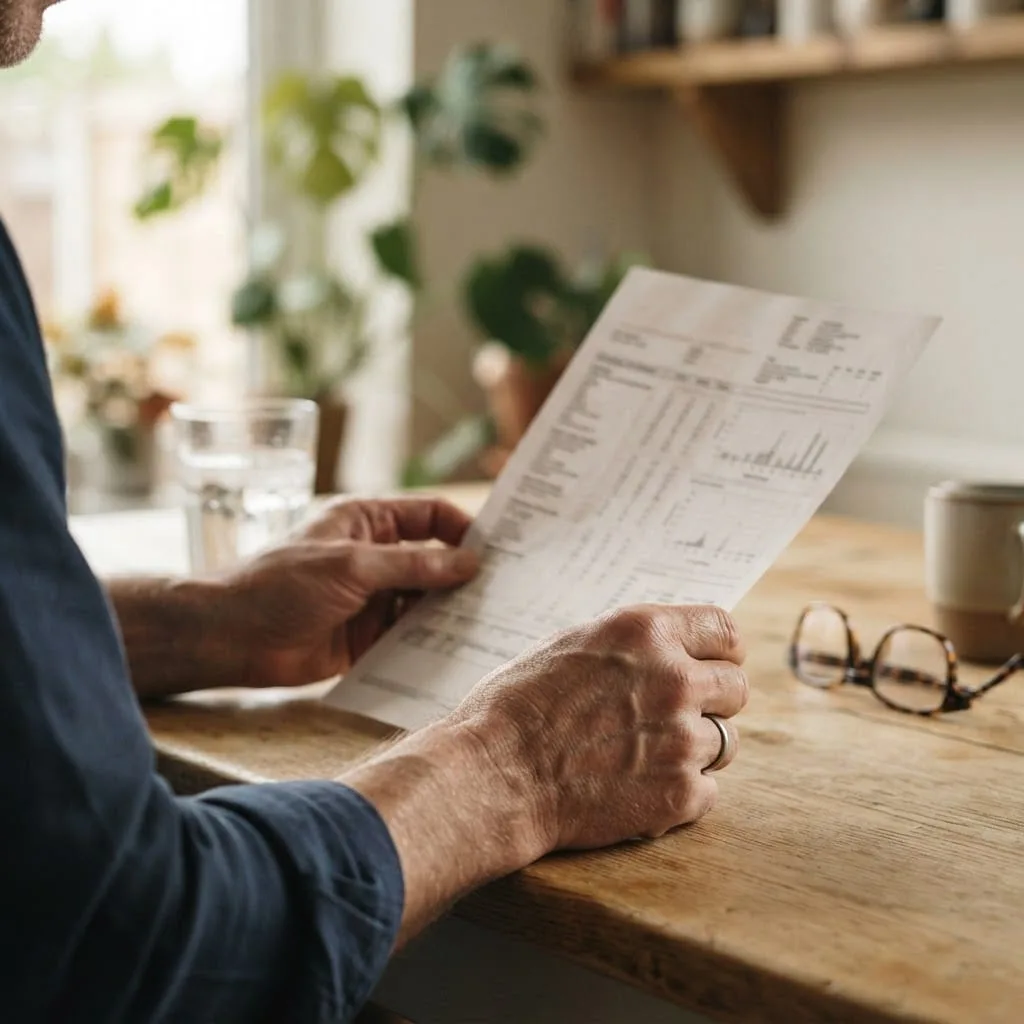
What Happens to Your Blood When You Retire from Alcohol: My 4-Month Lab Results
LDL from 212 to 142, inflammation cut nearly in half in four months, and two medications gone within ten months.

An Alternative to AA for High-Performing Professionals
AA wasn't built for high-functioning professionals who never hit rock bottom. Here's what a deliberate, private alternative to AA looks like.

How to Stop Drinking Without a Program (When You're Not Sure You Even Need To)
No crisis, no rock bottom, no program. Here's how high-functioning professionals stop drinking through mental preparation instead of willpower.

I Never Called Myself an Alcoholic. I Still Retired from Alcohol.
You don't have to earn the alcoholic label to know something needs to change. Here's how a professional retired from alcohol without a rock bottom.
Reading these because you've been thinking about it?
That's where it starts. Tell me where you are, and we'll talk it through. No pitch, no pressure.